a year of design engineering at Netflix
what I do & what i’ve learned

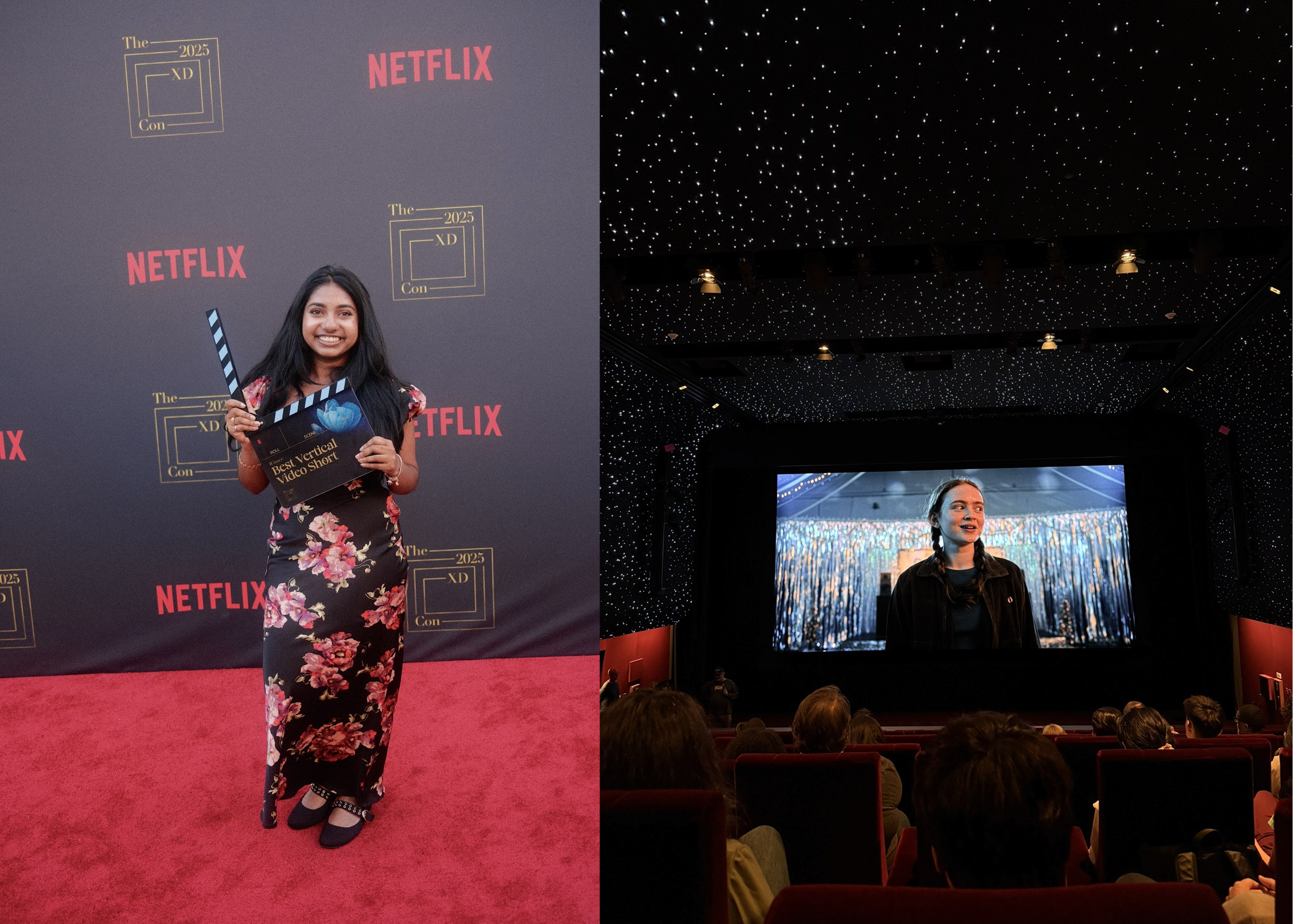
It’s been just over a year since I joined Netflix’s design team as their first early-career hire as a design engineer. Time has gone by way too fast, and it’s been such an incredible experience working at the intersection of eng and design working on exploratory projects in consumer. So grateful for my experience so far so I wanted to write more about what the role has been like for me and what I’ve learned.
Wtf do I do
I wrote a bit about my role in my initial post: Joining netflix’s experience design team. But now a year in, I can add more colour to what it’s actually like. This role involves everything I love - being an enabler. Our role is to help design teams bring their ideas to higher fidelity through coded prototypes. We’re able to test interactions that wouldn’t be possible with static design and explore innovative ideas in user research to gather feedback on a direction before we commit to building it in production. Prototypes help tell stories and can often align rooms on bold new ideas.
This year, I worked on projects in spaces from AI search, growth, mobile video clipping, and new TV designs. Two of the projects I’ve worked on have now rolled out to users - a new way to search, and clipping scenes from your favourite content on Netflix.
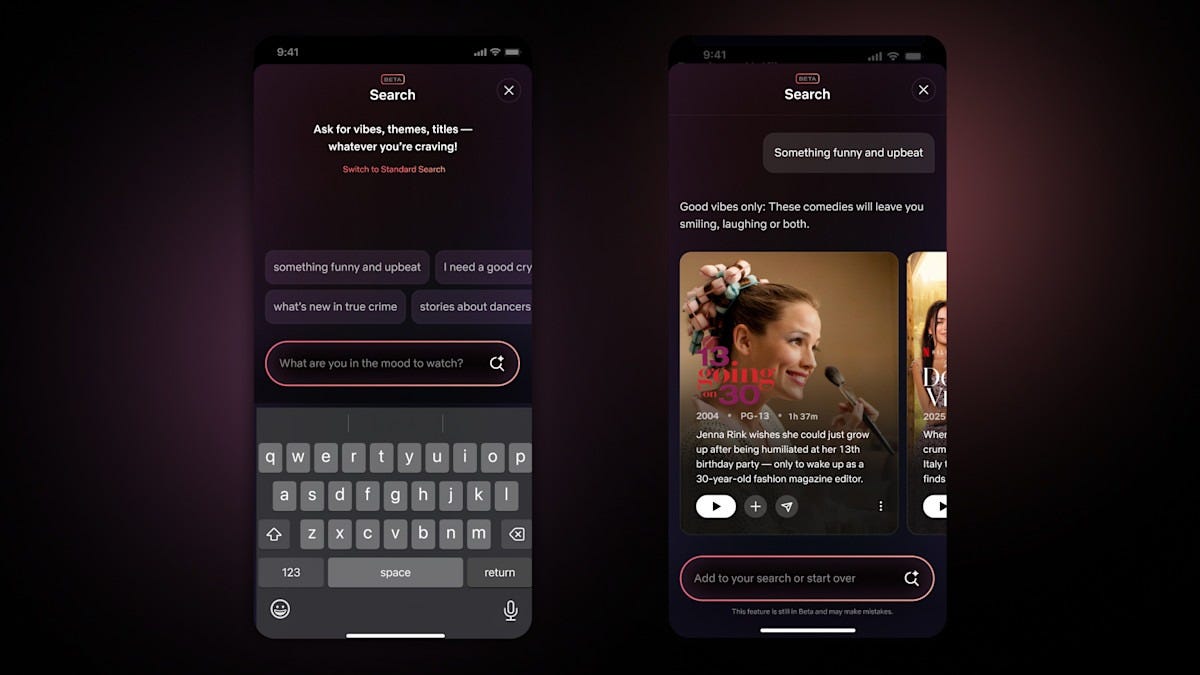
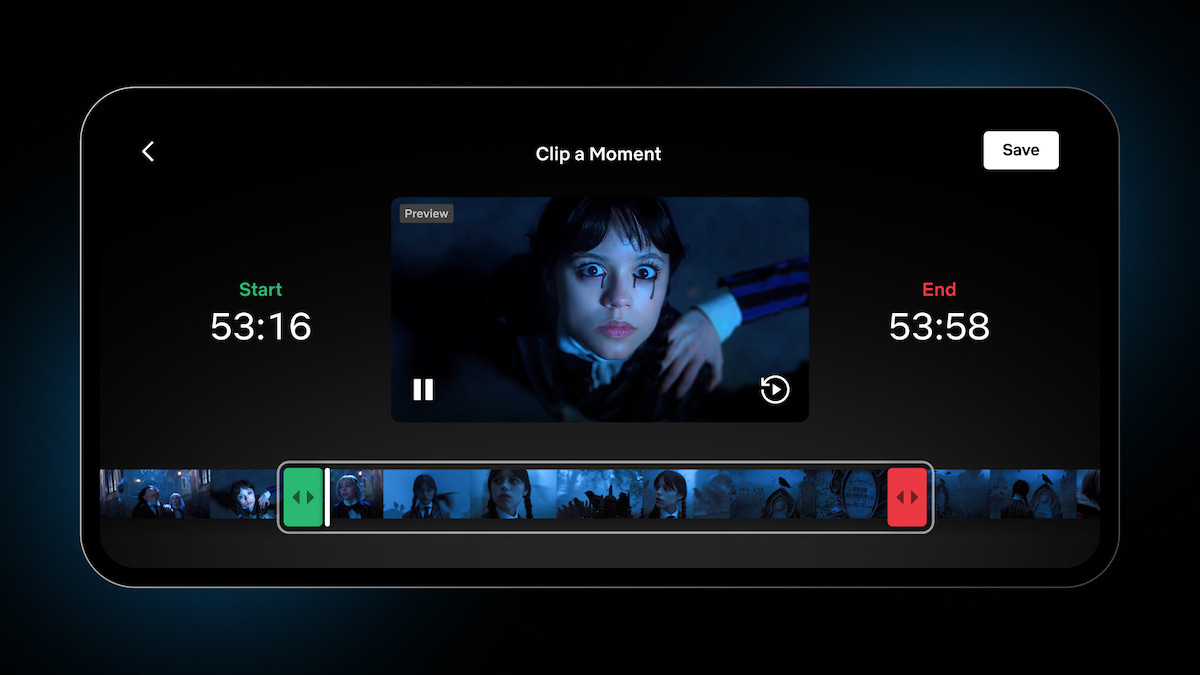
This breadth of projects helped me build a knack for picking up different contexts of the businesses extremely quickly. I got to work with 6 different lead designers this past year, which was great to learn how to embed with new teams quickly and develop relationships with more designers across the company. It’s especially valuable in building my reputation for reliability - every new project is a chance to build trust with more designers in my ability to execute and enable their ideas for research. Netflix has a high bar for its design team, and I’m constantly floored by the quality of all the people I’ve worked with.
The people I get to work with on a day-to-day basis are a mixture of product designers, content designers, researchers, PMs, motion designers, and sometimes other engineers and localization teams for global projects. I work closely with product designers the most, often riffing on ideas, iterating on their designs in code, and collaborating closely to get to the final artifact. Prototypes are built in flexible ways - for example, including settings for different variants to inform design decisions or seeing what magic we can do to make it look and feel like a real Netflix experience when testing out a standalone feature.
My experiences as a design engineer so far
I often joke that the role feels a bit like consulting. We embed with design teams at the earliest stages—advising on feasibility, shaping ideas, and bridging the gap between design and engineering as concepts move toward execution. While much of the work involves coding and building prototypes, it also draws on skills I’ve picked up from past roles: product sense and intuition from being a PM, the ability to context-shift and ramp up quickly from consulting, problem-solving as an engineer, an understanding of business and market dynamics from investing - especially valuable when working on newer innovation ideas - and comfort with Figma and design systems from my time as a product designer.
I also feel like this was the best role I could’ve chosen during this AI frenzy. The code we ship is only one part of the story - our impact also comes from creativity, crafting beautiful interfaces, collaborating with a variety of stakeholders, and exploring how emerging technologies can be leveraged to create meaningful product experiences. We’re often early adopters of emerging tools to help us build faster, which helps set the tone for the rest of the design org in experimenting with these new technologies.
Since I’m in a horizontal role, every 1-2 months for me looks drastically different, and it constantly keeps me on my toes. I have to be rapidly adaptive to new prototyping project requests that come my way. It’s a bit crazy because sometimes it’s hard to predict what some months would look like - for example, I didn’t know I’d be going to Seoul in July this year until early May.
This role has involved some travel, which has been a bonus I didn’t even expect. This past year, I got to travel to New York, LA, Chicago, Atlanta, Seoul, and Mexico City for user research sessions and offsites. These trips have been incredibly valuable, allowing us to directly observe learnings from our members interacting with what we’ve built, as well as bonding with my creative team. There’s a vast range of cultural contexts that come into play when designing a product used globally, and each market brings its own set of nuances and expectations that shape how our work is received.
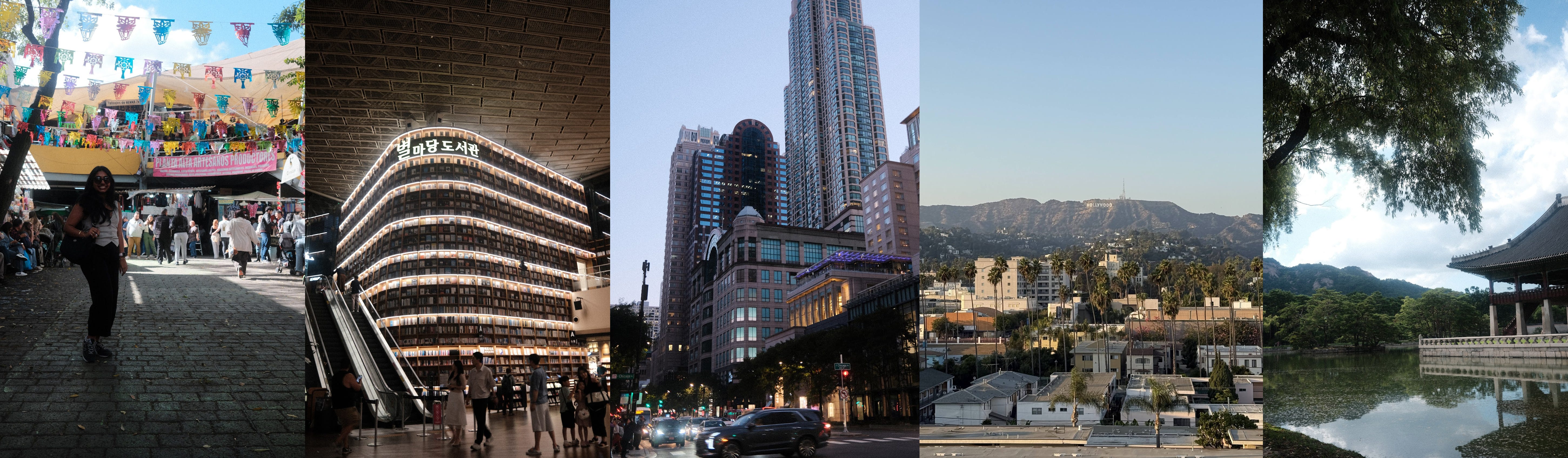
Getting a lot of reps in for travel is generally just a helpful life skill - packing for trips and balancing a busy schedule is much easier now, and I’ve gotten better at navigating new places solo. It makes me even more grateful to call San Francisco home, as I always feel excited to return after a trip. It makes me a lot more intentional about the time I do spend with my friends here.
The pace of work is challenging in a good way. Things get busy leading up to the user research dates, getting every last change and iteration into the prototype. But finally getting to see people interact with what you’ve built makes it all worth it. And the team is generally receptive to making sure people take breaks when they need to, so they can do their best work.
The Waterloo co-op experience was valuable, but there really is some sort of magic that comes from being at a place for a while. Everything compounds. The relationships, getting to collaborate with the same people again, the context and learnings you carry from past projects, and the technical speed that comes with repetition. I now have a playbook on how I approach projects and can easily scope how long things will take to build - something that only comes from the practice of actually doing the thing multiple times. It’s a special feeling to actually feel useful and needed, like hearing that a project wouldn’t have been possible without your prototype, or knowing the team counts on you to make the research happen. Looking back I’ve been able to see a clear trajectory of growth from transitioning from a prototype support role to now leading the prototype development for multiple projects.
Some things I’ve learned:
Relationships matter. The best opportunities often come through the people who know you and believe in your work. Investing in relationships goes a long way - and by constantly sharing your learnings and goals you make it possible for people to advocate for you and help bring things you want to do into existence. Recurring touchpoints also play a role which I wrote about here, along with being as helpful as possible to the people around you.
Great opportunities come if you seek it. Being proactive is critical, especially at a big company. Some projects would not have come to fruition without taking initiative and reaching out.
Document everything. No one knows your growth and impact better than you. Keeping a running record every 3-6 months, reflecting on your learnings and contributions, has been incredibly helpful not only to track progress, but also move forward in your career. Share your work in forums wherever you can and find more opportunities for visibility.
Tell people you appreciate them. Highlighting people’s hard work - especially when they don’t even realize it themselves - goes a long way. You get the energy you put out, and when you tell people you appreciate them, they’ll do the same for you. At Netflix we have feedback cycles 1x a year but since I work with so many different teams in a given time I make it a habit to jot down feedback after each project while it’s fresh in my mind.
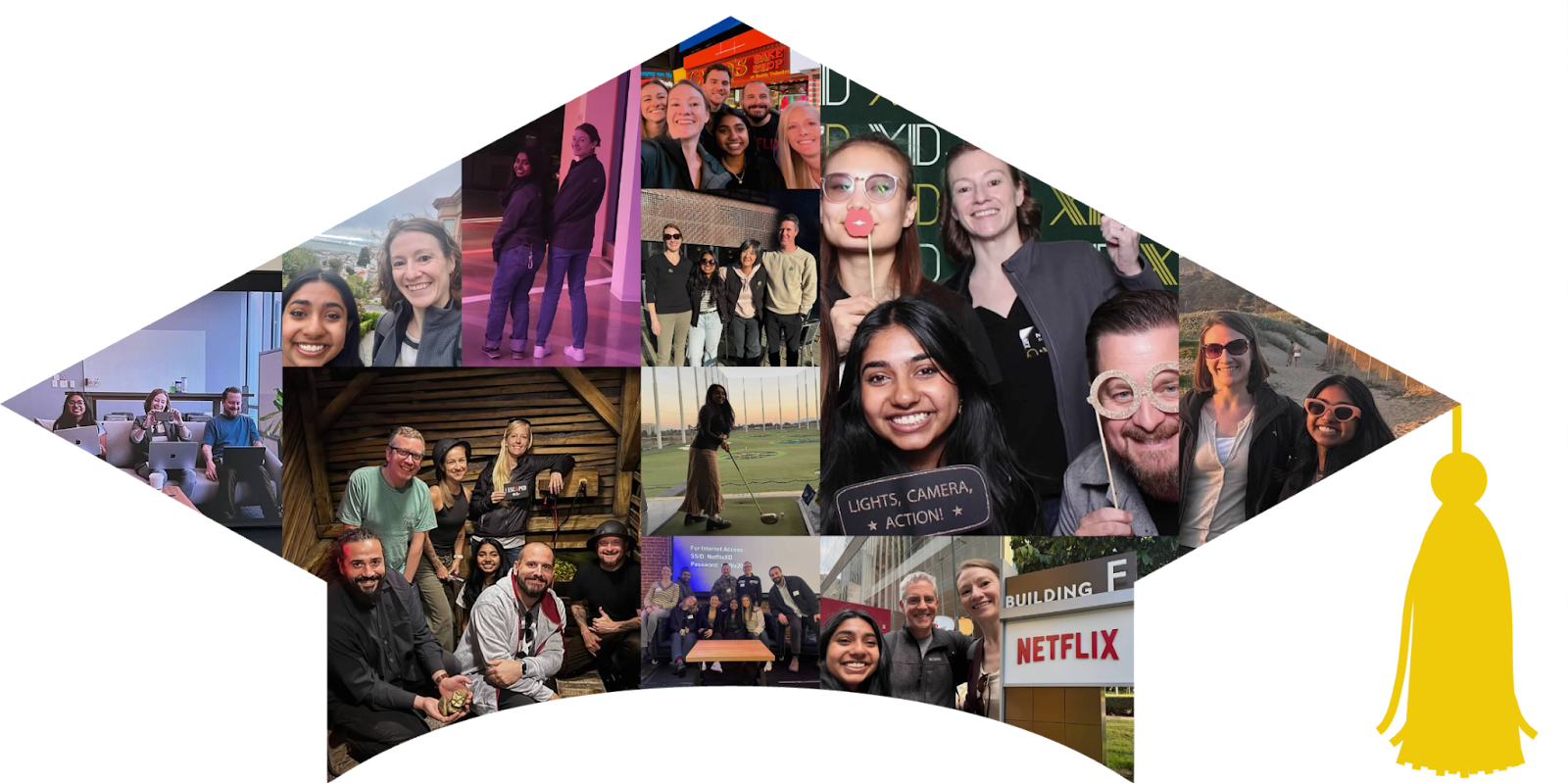
It’s nice to have friends at work. Netflix’s new grad program has honestly done a great job at curating a strong community. I also really love my teammates and enjoy hanging out with them. They’re all extraordinarily supportive and willing to help out on anything.
Continue being curious. Being genuinely curious and excited to learn will always serve you well, no matter what hard skills you have. Different technologies, frameworks, scope of roles - they’ll all subject to change over time. It helps you adapt, pick up new things quickly, and people are willing and excited to bet on you and teach you.
Keep finding ways to move the ceiling. Work feels very different than the school world - there aren’t many obvious grades or milestones beyond just doing a great job. My main focus has been to continually stretch the limits of what I’m capable of to the point I can look back and think “woah, how did I pull that off?”
Closing notes
Thank you for reading, and so grateful for the learnings so far! I can’t thank my team enough for taking a bet on me and investing in my growth - especially Nicole and JC for all their support this year. I’m also incredibly excited now design engineering is finally having its moment and can’t wait for more to come in this space!
Disclaimer - everything I’ve written above here are my personal opinions and reflections throughout my year at netflix, not a view of Netflix nor a formal job description of the role.
~ Mathu